
Sentence Dictation Template
This printable template, with clear lines to support good handwriting, can be used for sentence dictation.

This printable template, with clear lines to support good handwriting, can be used for sentence dictation.

This recorded webinar highlights the importance of spelling to literacy development and how it can be analyzed to inform instruction and intervention. The integration of phonology, orthography, and morphology can be used to analyze student spelling inventory results. Dr. Pam Kastner analyzes classroom and individual student spelling to determine the types of errors students made.
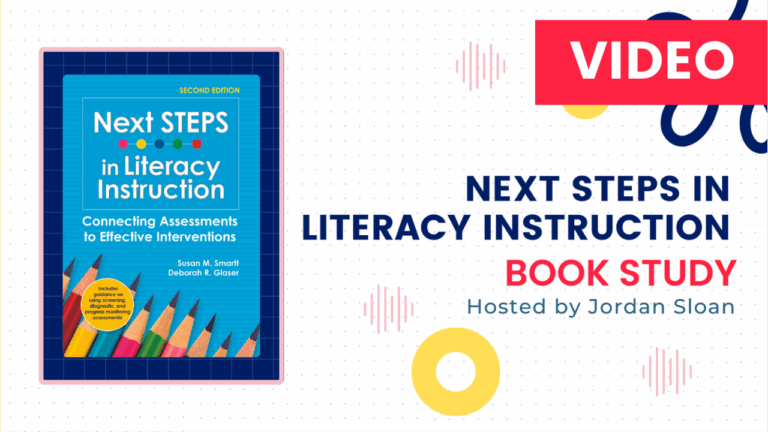
Keen to learn more about using assessment to drive structured literacy in your classroom? Catch up with our Next STEPS Summer Book Study. Resources related to this ONlit event series, hosted by Jordan Sloan, can be found here. Each session in the series tackles a foundational reading skill, unpacking what it is, why it’s necessary for…

On the recommendation of the Ontario Human Rights Commission, Ontario will be starting early reading screening in Fall 2024. This helpful handout clarifies the important role principals play in screening: the who, what, when, why, and how of early reading screening!
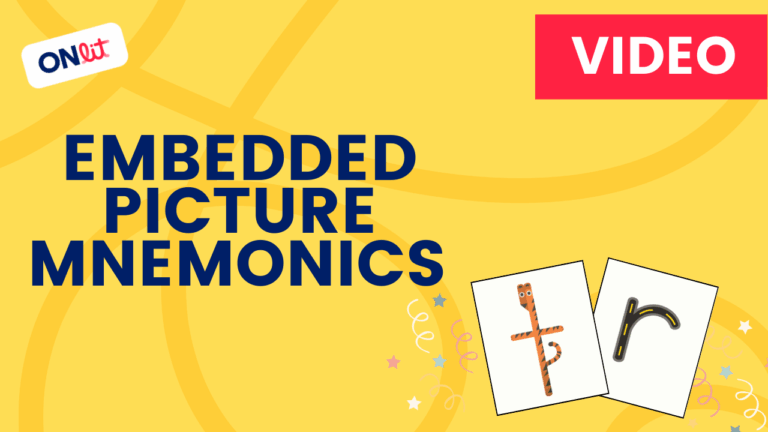
Embedded picture mnemonics are a research-based way to teach children about letters and the sounds they represent. They are letter cards with a picture of a key word embedded directly in a letter, such as the letter z made out of a zipper, or the letter r made out of a road. Research indicates that…
Modeled after Core Knowledge Language Arts units, this language and social studies unit is designed for use in Canadian kindergarten and Grade 1 classrooms. The unit is comprised of 10 lessons, each about an Important Canadian, with a teacher read-aloud document and accompanying slideshow for student viewing during the lessons. Explicit vocabulary instruction and comprehension…

Embedded picture mnemonic grids allow students to practice isolating first sounds, while also developing alphabetic knowledge and letter/sound correspondences in playful ways. These grids were created to align with the UFLI scope and sequence and allow students to practice new skills and review previously taught skills following a sequential and systematic format.

The chapters in this anthology, by a range of expert authors, delve into the relationship between writing and reading (as well as oral language), offering both extensive research and ideas for practice. While the research can be a bit heavy at times (this is not a “quick tips to use tomorrow” kind of book), there…
Embedded picture mnemonics are a research-based way to teach children about letters and the sounds they represent. They are letter cards with a picture of a key word embedded directly in a letter, such as the letter z made out of a zipper, or the letter r made out of a road. Research indicates that…
Literacy LIFTER (Letter Identification and Formation for Transcription and Early Reading) is a free tool designed to empower educators and caregivers in supporting students’ handwriting and early reading skills. It provides users with evidence-based materials to teach handwriting and letter knowledge (i.e., letter names and sounds) to pre-kindergarten and elementary-aged students. This resource includes materials…
This is a collection of passages designed to be used for fluency instruction in grade 8. Developed by Lisa Rogers, Laura Bross, Ayesatta Conteh, Teresa Oud, and Catherine Shawana, each passage focuses on a diverse changemaker from across Turtle Island – individuals who stood up for themselves and others, who fought hard to overcome obstacles,…
Vocabulary knowledge must be intentionally nurtured to ensure that students are ready for the greater vocabulary demands of reading complex texts and writing multi-paragraph essays, but we need to pay attention to cracks in the foundation and scaffold our lessons accordingly, or it all falls apart. This workshop equips participants to consider the role of…